· 4 min read
The unwritten rules of hostess gifts: when they matter and what works
You're holding an invitation to someone's dinner party, and suddenly you're second-guessing yourself. Do you bring a gift? Will it seem cheap if you show up empty-handed?
Hostess gift etiquette isn't as rigid as it sounds.
The gesture matters more than the specific item. The anxiety comes from treating it like a test you can fail—but it's not. It's just a small acknowledgment that someone spent time and money on you.
What a hostess gift actually is
It's not payment for your meal. Emily Post calls it a token of appreciation—something the host receives and enjoys later, not necessarily during the event. That distinction matters because it stops you from overthinking the price tag. You're not trying to impress anyone or balance a ledger. You're just saying: I see the work you did.
When you should bring one
Casual weeknight dinners with close friends? Showing up empty-handed is genuinely fine. Most people won't notice or care. The gift becomes more expected when there's real effort involved or when you're meeting someone for the first time.
A hostess gift starts to matter in these situations:
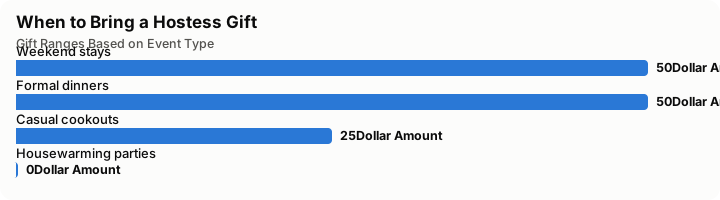
- Formal dinners and cocktail parties. These are hosts who've planned a full event—hired staff or spent days prepping. Spend $30–50. Wine, a nice candle, quality chocolate or jam.
- Casual cookouts. Around $25 is right. Wine, sparkling cider, good chips, or fresh flowers.
- Weekend stays. Aim for $50 or more, but combine it with labor. Buy groceries and cook a meal. Help clean up. Do laundry without being asked. A gift plus work says you actually value their time.
- Housewarming parties and special occasions. A gift signals respect for the milestone. It's not required, but expected enough that most guests bring one.
Meeting your partner's parents for the first time? Thoughtful choices beat expensive ones—a good wine and cheese basket, or a plant you've actually cared for. The care shows more than the price.
What actually works
Bring something consumable or immediately useful. Don't bring something that creates work.
Wine is the obvious choice because it's wrapped, doesn't need a vase, and the host drinks it on their own timeline. Spirits work too. Flowers are nice, but they're a task right when the host is juggling guests and a stove. If you do bring flowers, arrive with them already in a vase.
Consumables are your best bet: good chocolates, jam, fancy crackers, high-quality tea or coffee. These disappear without cluttering anyone's home. A thoughtful food item beats a decorative object that sits on a shelf.
For the best gifts for cooks, consider something genuinely useful: nice cocktail napkins, a quality cutting board (if you know they'll actually use it), or specialty serving supplies. Skip novelty kitchen gadgets unless you know the person's taste extremely well. A $30 candle and a bottle of wine beats a $30 novelty item every time.
If you're close enough to know the host well, get creative. Otherwise, less beats more.
When to give it
Two moments work: when you arrive, or sent ahead of time. Arriving with a gift in hand is traditional and personal. Sending something the day before avoids putting the host in a position where they're juggling your gift while finishing last-minute cooking. Don't hand them a gift as they're frantically working in the kitchen.
If you didn't bring anything
You're not cast out. But the second part of hostess etiquette kicks in: the thank-you note.
Send a handwritten note within a week. A few sentences acknowledging the meal, the company, or something specific about the evening is enough. This matters whether or not you brought a gift. A handwritten note almost resets things if you showed up empty-handed.
For thank-you gifts, you can also send something after the fact—a nice bottle of wine or a food item a few days later. But the handwritten note is what actually matters.
Family is different
When you're staying with parents, the rules relax. A thoughtful gift is appreciated—groceries for a meal you'll cook together, a bottle of wine they'll like, something for the house. But the relationship itself means you don't need to hit the same formal standards. What matters more is whether you're actually helping. Offering to cook dinner, handling cleanup, doing laundry—these can mean more than a $50 gift. Show up with something small and nice, then be useful.
The actual rule
Hostess gift etiquette comes down to this: you're signaling respect for someone's time. A $25 bottle of wine brought with genuine appreciation reads differently than one brought out of obligation. The gesture matters more than the specific item. The gift is just a way of saying: I noticed you did this for me.